
The Lambourn Almshouses is committed to treating all staff fairly and with respect. This procedure provides a clear route for employees to raise concerns about work, colleagues or management. The charity will ensure that all grievances are considered promptly, impartially and in confidence as far as possible.
1. Purpose of the procedure
This procedure explains how an employee may raise a grievance and how the charity will respond. It applies to all employees of the charity.
A grievance is any concern, problem or complaint that an employee wishes to raise about their work, the working environment or the behaviour of others.
2. Informal resolution
Where appropriate and where the employee feels comfortable, concerns should be raised informally at the earliest opportunity. Many difficulties can be resolved quickly through a calm discussion.
The employee may speak informally with the Chair of the Charity. If this is not possible, or if the matter relates to the Chair, the employee may speak informally with a member of the Welfare Group.
If the matter is resolved informally no further action will be taken.
3. Raising a formal grievance
If the employee wishes to raise the matter formally they should set out their grievance in writing. The written grievance should include the facts, dates, people involved and the outcome the employee is seeking.
The written grievance should be sent to the Chair of the Charity. If the grievance concerns the Chair, or if the employee reasonably believes that the Chair cannot deal with the matter, the grievance should be sent to the Welfare Group, which will appoint someone independent to handle the matter.
4. Acknowledgement and investigation
The charity will acknowledge the grievance in writing and will arrange a meeting without unreasonable delay.
An investigation may be required. This may involve speaking to witnesses and reviewing relevant information. The investigator may be the Chair, a member of the Welfare Group or another suitable person who has not been involved in the events under review.
5. The grievance meeting
The employee will be invited to a meeting to discuss the grievance. They have the legal right to be accompanied by a colleague or a trade union representative.
During the meeting the employee will have the opportunity to set out their concerns and suggest how they believe the matter should be resolved. The Chair or appointed manager will ask questions to establish the facts.
After the meeting the charity will consider all the information before reaching a decision.
6. Outcome
The charity will write to the employee to confirm the outcome. The letter will explain the decision, any actions to be taken and the reasons for the decision.
If it is found that action is required, the charity will implement it promptly.
7. Right of appeal
If the employee is not satisfied with the outcome they may appeal in writing within ten working days of receiving the decision.
The appeal should be sent to the Welfare Group unless the group handled the original decision, in which case an alternative trustee not previously involved will be appointed.
An appeal meeting will be arranged without unreasonable delay. The employee has the right to be accompanied. The appeal will review the original decision and any new evidence.
The result of the appeal will be issued in writing. This decision will be final.
8. Records and confidentiality
All records relating to the grievance will be kept securely and in line with data protection requirements. Information will be shared only with those who need to know in order to consider the grievance properly.
9. Non retaliation
No employee will suffer disadvantage for raising a grievance in good faith. Any retaliation will be treated as a serious matter.
10. Review of the procedure
The trustees will review this procedure periodically to ensure it remains compliant with UK employment law and best practice.
13. Approval
This policy has been approved by the Board of Trustees of The Lambourn Almshouses:
Signature:
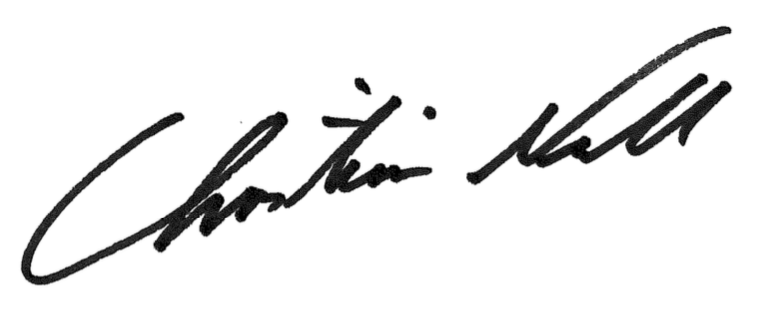
Name: Christian Noll
Position: Chair of Trustees
Date: 3 February 2026